
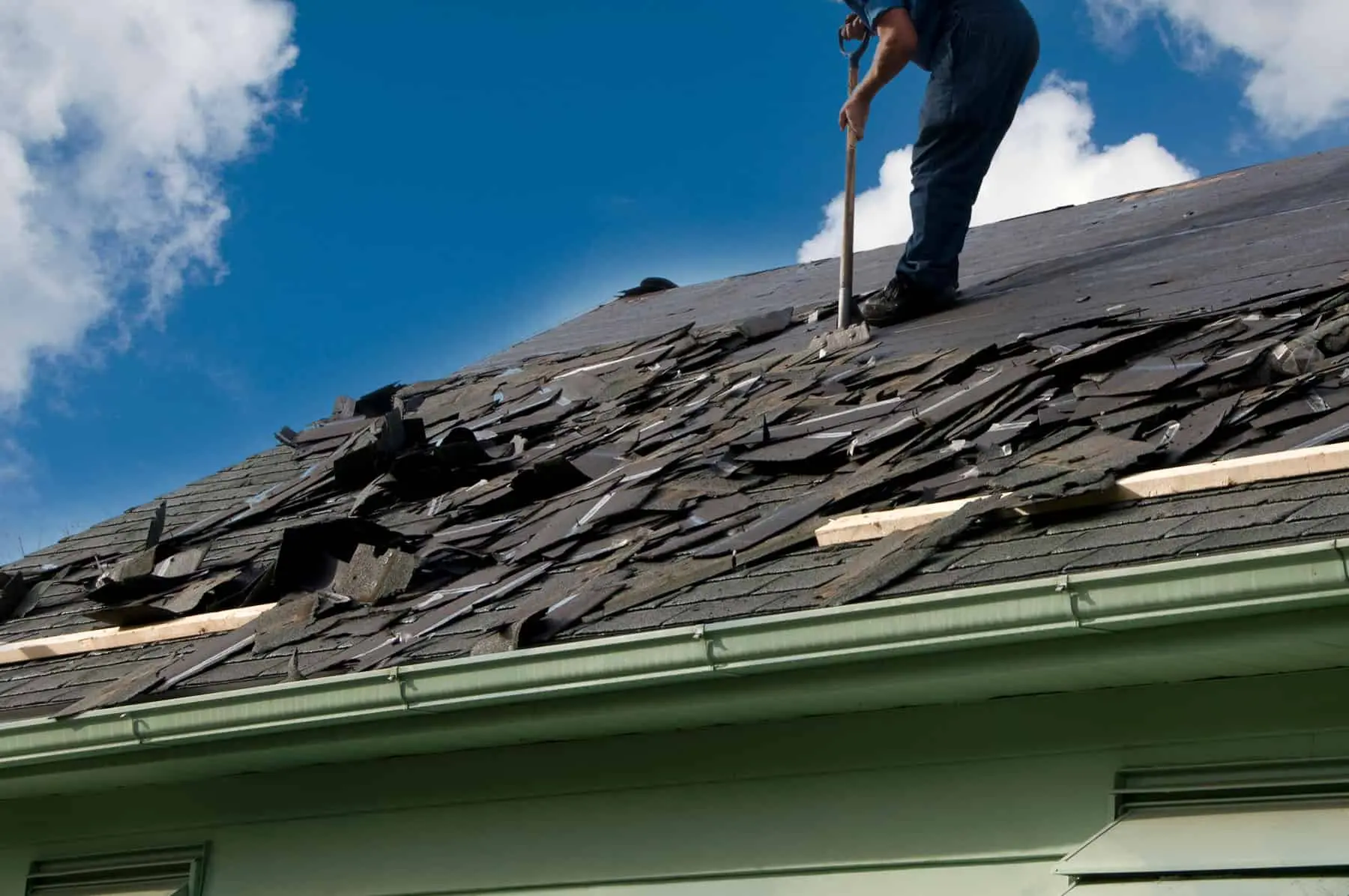
As a homeowner, first-time buyer, or real estate investor, understanding how long a roof lasts is crucial for maintaining your property and ensuring its value. If you’re replacing an old roof, checking the condition of a roof before purchasing a home, or simply learning about roof longevity for maintenance purposes, knowing the average lifespan of your roof can help you plan for the future and avoid costly repairs.
Let’s explore, we’ll dive into factors that influence roof lifespan, the different types of roofing materials, and how you can extend the life of your roof with regular care.
How Long Does a Roof Last?
The lifespan of a roof depends on a variety of factors including the material, installation quality, and environmental conditions. On average, most roofs last anywhere from 15 to 50 years. However, certain roofing materials can last longer or shorter depending on how well they are maintained and the climate they’re exposed to.
Let’s explore the lifespan of various roofing materials:
Asphalt Shingles
- Lifespan: 15 to 30 years
- Highlights: Asphalt shingles are one of the most popular roofing materials in the U.S. due to their affordability and ease of installation. However, they tend to have a shorter lifespan compared to other materials. The quality of the shingles and regular maintenance can affect their durability.
Metal Roofing
- Lifespan: 40 to 70 years
- Highlights: Metal roofs are highly durable and resistant to various weather conditions. They are a great long-term investment, especially for homes in areas prone to extreme weather. Their lifespan can vary based on the type of metal (steel, aluminum, copper) and the quality of installation.
Clay and Concrete Tiles
- Lifespan: 50 to 100 years
- Highlights: Clay and concrete tiles are known for their exceptional durability and long lifespan. These roofs are highly resistant to fire, insects, and rot, making them an excellent choice for homes in hotter climates. However, they can be expensive and require a sturdy structure to support their weight.
Wood Shingles and Shakes
- Lifespan: 20 to 40 years
- Highlights: Wood shingles and shakes provide a rustic, natural look but require more maintenance to prevent rot and mildew. Their lifespan can be extended with regular sealing and treatment.
Slate Roofing
- Lifespan: 50 to 100 years
- Highlights: Slate is one of the most durable roofing materials, lasting up to 100 years or more when properly maintained. While expensive, slate roofs are highly resistant to damage and can add significant value to your property.
Flat Roofs
- Lifespan: 10 to 20 years
- Highlights: Flat roofs, commonly used in commercial buildings and modern homes, have a shorter lifespan compared to sloped roofs. The lifespan can be affected by the materials used (rubber, bitumen, or PVC), and regular maintenance is essential to avoid leaks.
Factors Affecting Roof Lifespan
The lifespan of a roof isn’t determined by material alone, it depends on several external and internal factors. From harsh weather conditions to the way your roof is installed, every detail plays a role in how long it will last. Understanding these factors helps you take the right steps to protect your investment and avoid costly replacements.
1. Climate and Weather Conditions
Roofs in areas with extreme weather conditions, such as heavy rainfall, snow, or high winds, may have a shorter lifespan. UV exposure in sunny climates can also cause materials like asphalt shingles to degrade faster.
2. Roof Pitch and Design
Roofs with a steeper pitch tend to last longer because water, snow, and debris are less likely to accumulate. Flat roofs, on the other hand, require more frequent maintenance and may need replacement sooner.
3. Quality of Installation
Proper installation is critical for a roof’s longevity. An improperly installed roof can lead to leaks and early failure, regardless of the material used.
4. Maintenance
Regular maintenance, such as cleaning gutters, removing debris, and inspecting for damage, can extend your roof’s lifespan. Neglecting these tasks can result in roof damage, such as leaks and shingle damage, which may shorten its lifespan.
5. Roof Material Quality
Higher-quality roofing materials will last longer than cheaper alternatives. For example, a well-maintained metal roof will outlast an asphalt roof, even under similar weather conditions.
Signs You Need a New Roof
Knowing when to replace your roof is just as important as understanding how long it lasts. Watch for these signs to determine if it’s time to call in a roofing professional:
- Missing or Damaged Shingles: If you notice shingles that are cracked, curled, or missing, it could be a sign that your roof is nearing the end of its life.
- Leaks or Water Damage: Water stains on the ceiling or walls are clear indicators that your roof is leaking and needs attention.
- Granules in the Gutters: Asphalt shingles lose granules as they age, which can accumulate in gutters. A significant amount of granules may indicate that your roof is nearing the end of its life.
- Sagging Roof Deck: If your roof deck is sagging, it may indicate structural damage. This is a serious issue that requires immediate attention.
Age of the Roof: If your roof is over 20 years old and you’re noticing signs of wear and tear, it might be time for a replacement.
How to Extend the Life of Your Roof
Proper roof maintenance is essential for prolonging the lifespan of your roof. Here are a few tips to help you extend its longevity:
1. Clean Gutters Regularly
Clogged gutters can lead to water damage and roof leaks. Make sure to clean your gutters at least twice a year, especially after fall and spring storms.
2. Trim Overhanging Branches
Branches that hang over your roof can cause damage during storms and provide a pathway for pests to access your roof. Trim branches to avoid unnecessary wear and tear.
3. Inspect for Damage
Schedule regular roof inspections, preferably once a year, to catch small issues before they become major problems. Look for signs of leaks, missing shingles, or other damage.
4. Apply Roof Sealant
For certain roof types, such as metal or flat roofs, applying a sealant can protect the surface from water damage and extend its lifespan.
5. Ensure Proper Ventilation
Poor ventilation can cause heat and moisture buildup in your attic, leading to premature roof aging. Ensure your attic is properly ventilated to extend the life of your roof.
Conclusion
Your roof is more than just a cover over your head, it’s the first line of defense that protects your home, your family, and your investment. By understanding how long a roof lasts and the factors that influence its lifespan, you can make smarter decisions about maintenance, repairs, and replacements.
Whether it’s an affordable asphalt shingle or a timeless slate roof, proper care and timely inspections can add years to its life while saving you from costly surprises. Don’t wait for small issues to turn into big problems—take action today.
Protect your roof, protect your home, and secure peace of mind for the years ahead.
Frequently Asked Questions
1. How long does an asphalt shingle roof last?
Asphalt shingle roofs typically last 15 to 30 years, depending on the quality of installation and maintenance.
2. How can I tell if my roof needs replacing?
Signs that your roof may need replacing include leaks, missing or damaged shingles, and noticeable sagging.
3. Can a roof last 50 years?
Yes, certain roofing materials, like slate, metal, and clay tiles, can last up to 50 years or more with proper maintenance.
4. How often should I have my roof inspected?
It’s recommended to inspect your roof at least once a year, or after any major storms, to catch early signs of damage.
5. What’s the most durable type of roof?
Slate and metal roofs are among the most durable, with lifespans of 50 to 100 years, depending on the material and maintenance.