
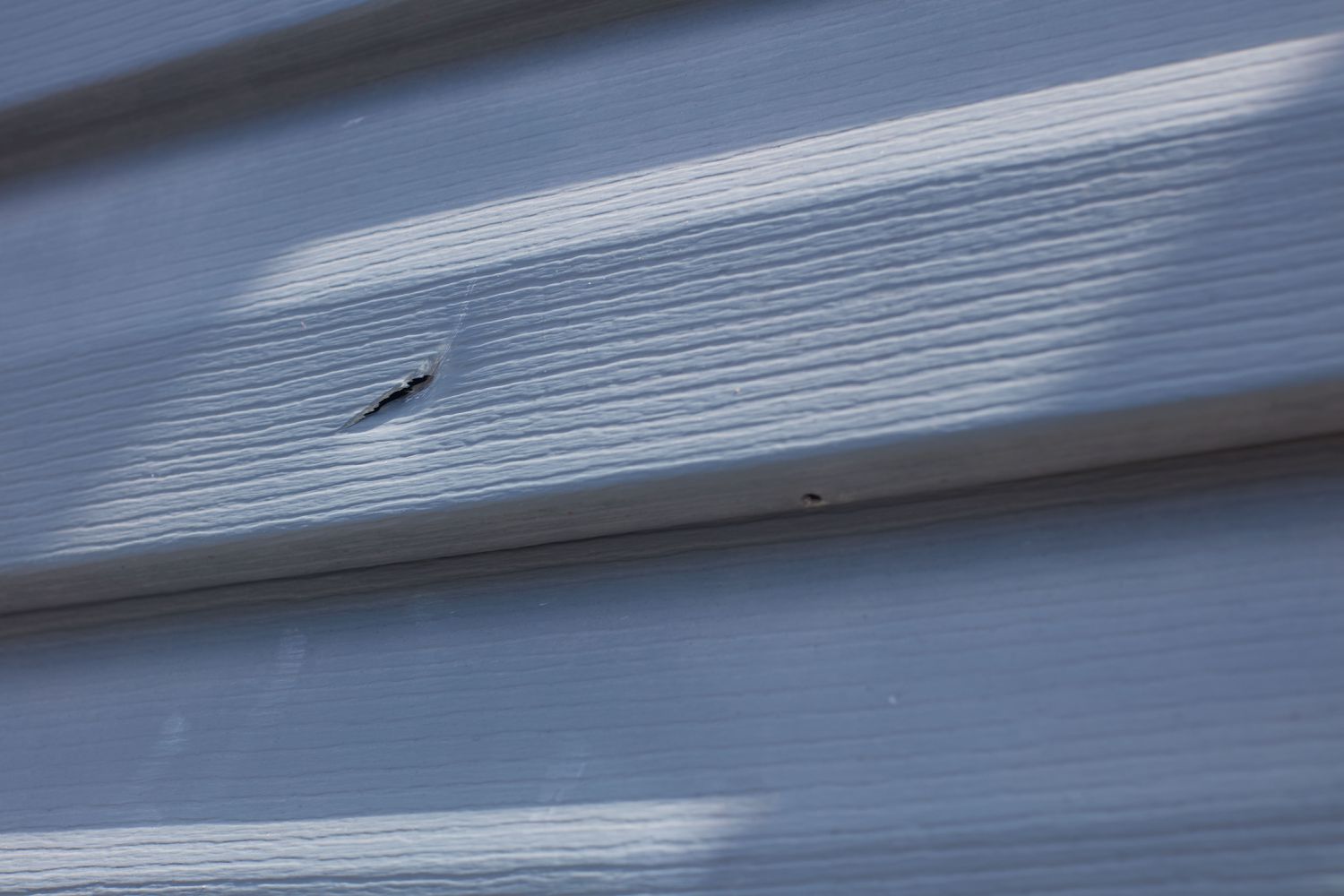
When choosing siding for your home, vinyl siding often stands out due to its durability, low maintenance, and affordability. But one key question homeowners ask is. how long does vinyl siding last? Whether you’re planning a renovation, replacing old siding, or considering options for a new home, understanding the lifespan of vinyl siding is essential for making an informed decision. In this comprehensive guide, we’ll explore the factors that affect the lifespan of vinyl siding, maintenance tips to extend its life, and how it compares to other materials like wood, fiber cement, and aluminum.
How Long Does Vinyl Siding Last?
On average, vinyl siding lasts between 20 to 40 years. The lifespan of vinyl siding varies depending on several factors, including the quality of the material, installation methods, and environmental conditions. In some cases, with proper care and maintenance, vinyl siding can even last beyond 40 years.
Related: How Long Does a Roof Last?
Factors That Affect the Lifespan of Vinyl Siding
Several factors can influence how long vinyl siding will last, and understanding these will help you plan for its long-term maintenance and replacement.
1. Climate and Weather Conditions
The weather and climate where your home is located play a significant role in the lifespan of vinyl siding. Vinyl siding performs well in most climates but can wear out faster in areas with extreme weather conditions such as heavy storms, intense sun, or extreme cold.
- Midwest (Ohio, Michigan, Illinois): Harsh winters with snow and ice can cause vinyl siding to crack or fade.
- Northeast (New York, Pennsylvania, New Jersey): Snow and freezing temperatures can affect the siding’s durability over time.
- South (Texas, Florida, Georgia): The sun’s heat can cause vinyl siding to warp or discolor. Humidity and frequent rain can also accelerate wear.
- Pacific Northwest (Washington, Oregon): High rainfall and moisture can lead to mold and mildew growth, affecting the integrity of the siding.
2. Quality of Vinyl Siding
Not all vinyl siding is created equal. Higher-quality vinyl siding is often thicker, which makes it more resistant to damage and wear. Thicker panels also provide better insulation and are less likely to crack or fade.
3. Installation Quality
Proper installation of vinyl siding ensures its longevity. If the siding is installed incorrectly, it may lead to problems such as moisture buildup behind the panels, leading to rot or mold issues.
4. Exposure to Sunlight
Vinyl siding can fade over time due to exposure to the sun. Homes in sunnier climates, particularly those facing west or south, may experience quicker fading. Choosing vinyl siding with UV-resistant additives can help reduce the fading effect.
5. Maintenance and Care
Regular cleaning and maintenance can significantly extend the life of your vinyl siding. If dirt, grime, and mildew are left untreated, they can break down the surface of the siding, making it more vulnerable to damage.
Maintenance Tips to Extend the Life of Vinyl Siding
While vinyl siding requires less maintenance than other materials, keeping it clean and well-maintained will ensure that it lasts as long as possible.
1. Regular Cleaning
Cleaning your vinyl siding once or twice a year can help remove dirt, mildew, and debris that can cause wear. Use a soft brush, mild detergent, and a hose to clean the siding. Avoid using harsh chemicals or pressure washers, as these can damage the surface.
2. Inspect for Damage
Inspect your vinyl siding annually for any cracks, warping, or damage caused by weather conditions. Address any issues promptly to prevent further damage and ensure that your siding continues to protect your home effectively.
3. Repainting or Touch-Ups
While vinyl siding does not require painting, you can occasionally use vinyl-safe touch-up paint to address any discoloration or chips in the surface.
4. Trim Overhanging Branches
Trim back any trees or bushes that may scrape or damage the siding during storms or strong winds. Overhanging branches can also trap moisture against the siding, causing it to degrade faster.
5. Seal Joints and Seams
Ensure that the seams and joints of your vinyl siding are properly sealed. This will prevent water from seeping behind the panels, which can lead to mold and mildew buildup.
Vinyl Siding vs Other Materials: Which Lasts Longer?
When considering siding materials, it’s essential to compare their lifespan and durability. Here’s a comparison of vinyl siding with other popular siding options:
| Siding Material | Lifespan | Maintenance | Cost |
| Vinyl Siding | 20–40 years | Low | Affordable |
| Fiber Cement | 30–50 years | Medium | Mid-range |
| Wood Siding | 15–30 years | High | Expensive |
| Aluminum Siding | 20–40 years | Medium | Affordable |
While vinyl siding has a comparable lifespan to other materials like aluminum, it is generally more affordable and requires less maintenance than wood siding.
Conclusion
Vinyl siding is a durable, cost-effective, and low-maintenance option that can last anywhere from 20 to 40 years depending on various factors such as climate, installation quality, and maintenance. By regularly cleaning and inspecting your siding, you can extend its lifespan and keep your home looking great. If you’re planning to install vinyl siding or need to replace your old siding, be sure to consider your local weather conditions and select high-quality materials to get the most out of your investment.
(FAQs)
1. What is the lifespan of vinyl siding?
Vinyl siding typically lasts between 20 to 40 years, depending on the quality, installation, and weather conditions.
2. How long will vinyl siding last on a house?
On average, vinyl siding will last 20 to 40 years, but with proper maintenance and care, it can exceed that range.
3. Does vinyl siding last longer in warm climates?
Vinyl siding may experience more fading in hot climates due to prolonged sun exposure, but it can last just as long in warmer regions as it would in colder climates if maintained properly.
4. Is vinyl siding worth it long-term?
Yes, vinyl siding is a cost-effective, low-maintenance option that can provide excellent long-term value for your home, especially if you’re seeking durability without the high upkeep costs.
5. When should vinyl siding be replaced?
Vinyl siding should be replaced when it shows signs of cracking, warping, or fading that can’t be repaired, or when it no longer offers sufficient protection against the elements.