If you’re planning to upgrade your home’s exterior, you’ve probably come across the term Hardie board siding. But many homeowners still wonder what Hardie board is and why is it becoming one of the most popular siding materials in modern construction?
Hardie board is a durable fiber cement siding designed to protect homes from harsh weather while delivering a clean, premium look. Known for its strength, low maintenance, and long lifespan, it has become a trusted choice for homeowners, builders, and contractors around the world. Let’s explore what Hardie board is, what Hardie board siding is made of, its benefits, and why it’s often considered one of the best exterior siding options available today.
What Is Hardie Board?
Hardie board is a fiber cement siding material made from a mixture of cement, sand, and cellulose fibers. Developed by James Hardie Industries, it is designed to provide strong and long-lasting exterior protection for both residential and commercial buildings. Unlike traditional wood siding, which can rot, warp, or get damaged over time, Hardie board is engineered to handle harsh weather conditions such as heavy rain, strong winds, intense sunlight, fire exposure, and even termite damage.
Because of its durability, attractive appearance, and long lifespan, it is widely used in home renovation projects, new home construction, and large residential developments. Many builders and contractors consider Hardie board siding one of the best long-term investments for exterior cladding due to its balance of strength, style, and low maintenance.
Hardie Board What Is Used For?
Hardie board is primarily used for exterior siding and cladding of buildings, but its versatility makes it suitable for several other construction applications as well. It is commonly used for exterior wall siding, house cladding, trim boards, soffits, exterior panels, and decorative architectural accents. Many modern homes use Hardie board siding panels because they offer the natural look of wood while providing much better durability and lower maintenance. Builders also prefer Hardie board for homes in coastal areas and regions with extreme weather because it resists moisture, humidity, and temperature changes better than many traditional siding materials.
What Is Hardie Board Siding Made Of?
One of the most common questions homeowners ask is, what is Hardie board siding made of? Hardie board siding is manufactured using fiber cement technology, which combines both natural and engineered materials to create a strong and reliable exterior product. Its core components include cement for structural strength, sand for added durability and stability, cellulose fibers to reinforce the board and help prevent cracking, and water to bind the mixture during production.
This combination creates a siding material that is both strong and slightly flexible, allowing it to resist cracking, swelling, and other common forms of damage. Unlike wood siding, fiber cement does not rot or attract termites, and at the same time, it is generally more durable than vinyl siding.
Many manufacturers also use advanced curing processes to ensure the boards maintain their shape, strength, and performance for decades. According to industry research, fiber cement siding can last 30 to 50 years with proper maintenance.
What Is Hardie Siding Made Of Compared to Other Materials?
Before choosing any siding material, it helps to compare Hardie board with other common options such as vinyl and wood.
| Feature | Hardie Board | Vinyl Siding | Wood Siding |
| Durability | Very High | Medium | Low |
| Maintenance | Low | Low | High |
| Fire Resistance | Excellent | Poor | Poor |
| Weather Resistance | Excellent | Good | Moderate |
| Lifespan | 30–50 years | 20–30 years | 15–30 years |
Why Homeowners Choose Hardie Board Siding
Homeowners often choose Hardie board siding because it offers a strong balance of durability, appearance, and long-term value. Whether they are replacing old siding or building a new home, many people prefer it for its ability to handle harsh weather while keeping maintenance low. In addition, Hardie board gives homes a clean, premium look that can last for decades.
Exceptional Durability
One of the biggest reasons homeowners choose Hardie board siding is its exceptional durability. It is specifically designed to withstand extreme weather conditions such as storms, intense heat, freezing temperatures, and heavy moisture. Unlike traditional wood siding, Hardie board does not warp, crack, or rot easily, which makes it a dependable choice for homes located in areas with high humidity, frequent rainfall, or changing temperatures.
Low Maintenance Requirements
Another major benefit of Hardie board siding is that it requires very little maintenance once it is properly installed. Homeowners do not have to worry about constant repairs or frequent repainting like they often do with wood siding. Basic upkeep usually includes occasional washing, checking joints and trim, and repainting every 10 to 15 years. As a result, Hardie board can help reduce long-term maintenance costs while still keeping the exterior looking fresh and attractive.
Fire Resistance
Hardie board is also popular because of its strong fire-resistant properties. Since it is a non-combustible material, it does not ignite easily when exposed to heat or flames. This makes it a safer option for homes in wildfire-prone areas or regions where fire protection is a major concern. In some cases, insurance companies may even view fiber cement siding as a lower-risk exterior material, which could help homeowners save on insurance costs.
Excellent Weather Protection
Another reason homeowners prefer Hardie board siding is its ability to perform well in tough weather conditions. It offers reliable protection against heavy rain, strong winds, snow, freezing temperatures, and prolonged UV exposure. Because the material remains stable in different climates, it is less likely to expand or contract with temperature changes. This helps preserve both the appearance and structural performance of the siding over time.
Premium Appearance
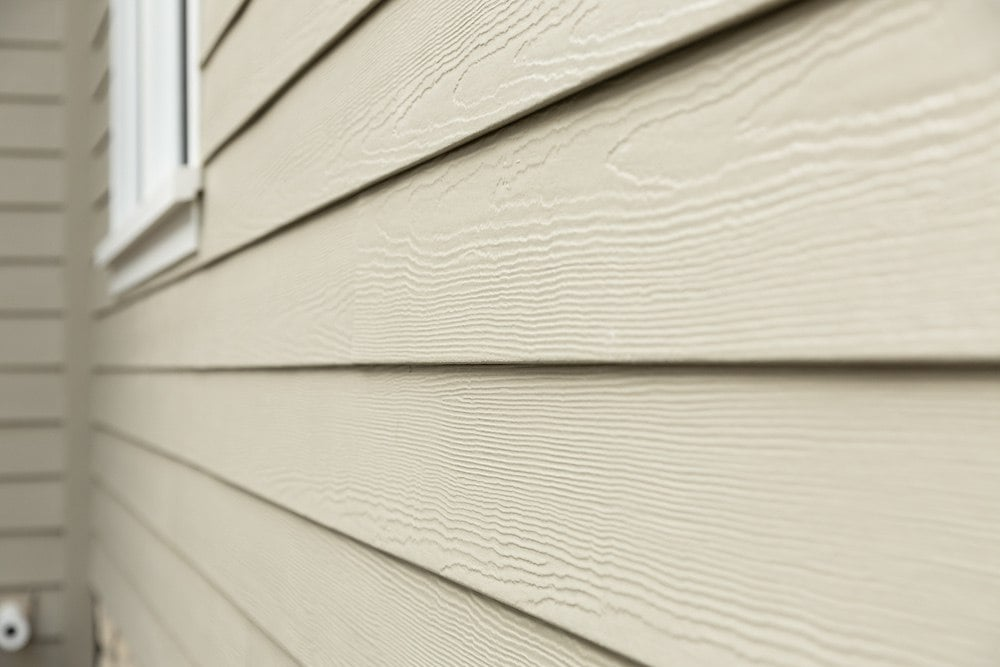
Beyond performance, Hardie board siding is also chosen for its premium appearance. It is available in a wide range of styles and textures, including wood grain finishes, smooth panels, shingle-style siding, and board and batten designs. This variety allows homeowners to achieve the classic look of natural wood without dealing with the usual maintenance problems. As a result, Hardie board can improve both curb appeal and the overall value of a property.
Related: Advantages of Steel Roofing
Types of Hardie Board Siding
Hardie board siding is available in different styles to match various architectural designs and exterior preferences. This variety makes it a popular choice for homeowners and builders looking for both durability and visual appeal.
Hardie Plank Lap Siding
Hardie Plank lap siding is the most common type of Hardie board siding and is widely used on residential properties. It features long horizontal boards that overlap each other to create a classic and timeless exterior appearance. This style works especially well for modern homes, traditional houses, and renovation projects where homeowners want a clean and familiar siding design with long-lasting durability.
Hardie Panel Vertical Siding
Hardie Panel vertical siding is known for its sleek and contemporary look. Instead of horizontal boards, it uses large vertical panels that create a more modern and structured appearance. This style is often chosen for modern architectural homes, commercial buildings, and farmhouse-inspired designs because it adds visual height and a distinctive exterior finish.
Hardie Shingle Siding
Hardie Shingle siding is designed to mimic the natural look of cedar shakes while offering the strength and low maintenance of fiber cement. It is commonly used on coastal homes, cottage-style houses, and decorative accent areas where homeowners want a more textured and charming appearance. This option is ideal for adding character to a home without the maintenance challenges that come with real wood shingles.
Related: How Long Do Metal Roofs Last?
Hardie Board vs Vinyl Siding
Many homeowners compare Hardie board with vinyl siding before making a decision.
Key Differences
| Feature | Hardie Board | Vinyl |
| Strength | Very strong | Moderate |
| Appearance | Premium | Basic |
| Fire Resistance | High | Low |
| Cost | Higher upfront | Lower upfront |
Hardie Board Installation Process
Installing Hardie board siding requires professional expertise to ensure proper fit, durability, and long-term performance. Most contractors follow a structured process to make sure the siding is installed correctly and protects the home effectively.
Typical installation steps include:
- Removing the existing siding
- Inspecting the wall structure
- Installing a moisture barrier
- Attaching the fiber cement boards
- Sealing joints and edges
- Painting or finishing the siding
Professional installation helps ensure:
- Proper ventilation
- Correct alignment
- Long-lasting performance
For the best results, homeowners should work with certified siding contractors who have experience installing Hardie board siding.
Cost of Hardie Board Siding
The cost of Hardie board siding can vary depending on several factors such as the size of the home, labor charges, design complexity, trim and accessories, and the geographic location of the project.
| Cost Type | Average Price |
| Material Cost | $5 – $10 per sq ft |
| Installation Cost | $5 – $8 per sq ft |
| Total Installed Cost | $10 – $18 per sq ft |
Maintenance Tips for Hardie Board Siding
Hardie board siding requires minimal maintenance, but proper care can help extend its lifespan and keep it looking its best for years. Simple steps such as cleaning the siding annually, inspecting it for cracks or gaps, repainting every 10 to 15 years, and checking the caulking around windows can help maintain both its appearance and performance over time.
FAQs About Hardie Board
What is a Hardie board?
Hardie board is a fiber cement siding material made from cement, sand, and cellulose fibers. It is used for exterior home siding because of its durability and weather resistance.
What is Hardie board siding made of?
Hardie board siding is made from a combination of:
- Cement
- Sand
- Cellulose fibers
- Water
Is Hardie board better than vinyl siding?
Hardie board is generally more durable and fire-resistant than vinyl siding. While it costs more initially, it often provides better long-term value.
How long does Hardie board last?
With proper installation and maintenance, Hardie board siding can last 30–50 years or more.
Is Hardie board waterproof?
Hardie board is highly water-resistant but not completely waterproof. Proper installation and sealing are necessary to prevent moisture intrusion.
Conclusion
Now that you understand what Hardie board is, it’s easy to see why it has become one of the most trusted siding choices for modern homes. With its durability, weather resistance, low maintenance, and premium appearance, Hardie board offers long-term value for homeowners, builders, and property developers alike. If you are considering new siding for your home or project, speak with an experienced contractor to find the right Hardie board option for your needs. You can also contact us today to learn more about installation, pricing, or the best siding solution for your property.