If you’re researching a new roof, you’ve probably heard the term architectural shingles (also called architectural roof shingles or architectural roofing shingles). They’re the most popular residential roofing material worldwide from the U.S. and Canada to the U.K. and Australia because of their curb appeal, durability, and strong value.
If you’re a homeowner replacing an aging roof, a contractor comparing specs, or a real estate investor calculating ROI, this comprehensive guide has you covered.
What Are Architectural Shingles?
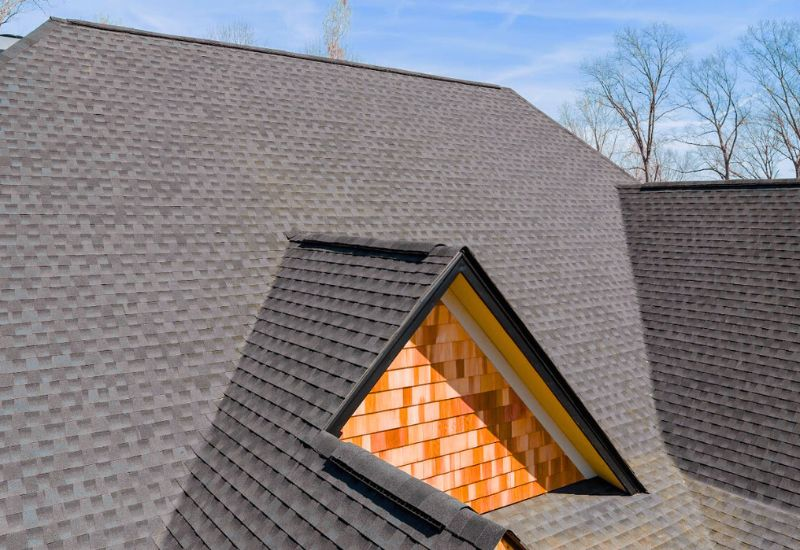
Architectural shingles are premium laminated asphalt shingles created by bonding multiple layers together, which gives them a thicker, dimensional, tile-like appearance. Unlike flat, single-layer 3-tab shingles, they feature varied cuts and shadow lines that mimic the look of wood shakes or slate, while also offering better wind resistance and longer warranties.
Their core structure includes a fiberglass mat that provides strength and fire resistance, asphalt layers that ensure flexibility and waterproofing, and mineral granules that protect against UV rays, add color, and improve algae resistance. Compared to basic 3-tab shingles, architectural shingles provide a more attractive and dimensional look, withstand higher wind speeds (110–130+ mph), last longer with stronger warranties, and come in a wider range of colors and designer styles.
Types of Shingles Within the Architectural Category
When people ask about the different types of roof shingles, they may be referring either to alternative roofing materials like metal, tile, or cedar, or to the sub-categories within asphalt shingles. Below are the main types of shingles in the architectural family.
1. Standard Architectural (Dimensional) Shingles
These are the baseline laminated shingles that offer a dimensional, textured look. They are suitable for most climates when paired with proper underlayment and ventilation, making them the most common and versatile choice.
2. Designer or Luxury Architectural Shingles
Designer shingles are heavier and thicker, creating deeper shadows and more upscale profiles that resemble slate or wood shakes. They are ideal for homeowners seeking a premium appearance or meeting higher design standards.
3. Impact-Resistant (IR), Class 4 Shingles
Impact-resistant shingles are engineered to withstand hail and other severe weather impacts, with the strongest options rated UL 2218 Class 4. They are a smart choice for regions that experience frequent storms and may also qualify for insurance benefits in some markets.
4. Algae-Resistant (AR) Shingles
These shingles are manufactured with special granules that resist the growth of algae, helping to prevent black streaks on roofs. They are particularly useful in areas with high humidity or coastal environments.
5. Cool Roof or Reflective Architectural Shingles
Cool roof shingles are designed to reflect more solar energy, reducing attic temperatures and lowering overall cooling demands. They are especially beneficial in warm or sunny climates and may also support energy efficiency goals.
Architectural Shingles vs. Other Roofing Materials
If you’re deciding among the different types of roof shingles and materials, here’s a quick comparison.
| Roof Material | Lifespan* | Cost** | Weight | Wind/Hail Performance | Aesthetics | Maintenance |
| Architectural Asphalt | 25–35 yrs | $$ | Medium | Good / Good | Wide variety | Low |
| Luxury Architectural | 30–40 yrs | $$$ | Medium | Very good | Premium looks | Low |
| Metal (Steel/Aluminum) | 40–60 yrs | $$$$ | Medium | Excellent | Modern/standing seam | Very low |
| Cedar Shake | 30–40 yrs | $$$$ | Medium | Good / Fair | Natural wood look | Moderate |
| Concrete/Clay Tile | 40–75 yrs | $$$$+ | High | Good / Fair | Mediterranean | Low |
| Natural Slate | 75–100+ yrs | $$$$$ | Very High | Good / Fair | Historic luxury | Low |
Pros & Cons of Architectural Shingles
Like any roofing material, architectural shingles come with both advantages and disadvantages. Understanding these can help you decide whether they’re the right choice for your home or project.
Pros of Architectural Shingles
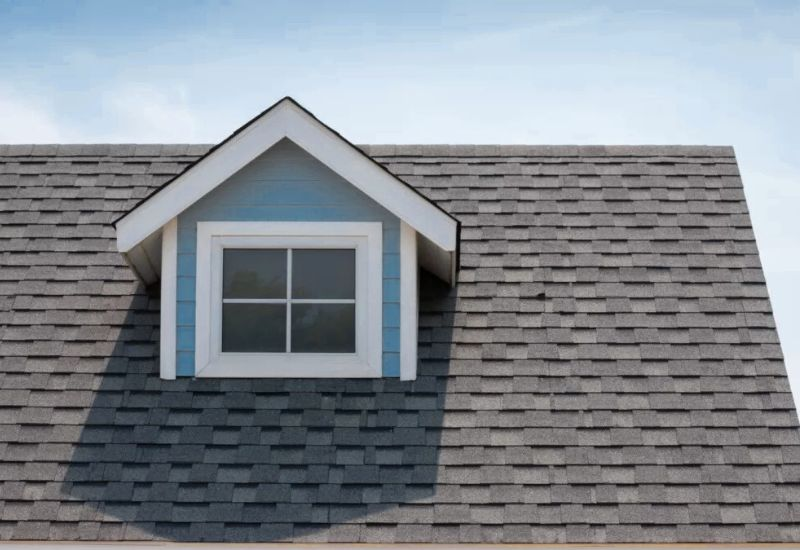
Architectural shingles are known for their attractive, dimensional look that enhances curb appeal compared to flat 3-tab shingles. They also provide strong wind resistance, making them more reliable in challenging weather conditions.
Another key advantage is cost while they look premium, they are more affordable than alternatives like metal, tile, or slate. Homeowners also benefit from a wide range of colors and styles, making it easier to match different architectural designs.
Because of their weight and structure, architectural shingles are generally easy to retrofit on most homes without requiring structural reinforcements. On top of that, they are faster to install, as most contractors are highly familiar with the material and techniques.
Cons of Architectural Shingles
Despite their strengths, architectural shingles do have limitations. Their lifespan is shorter than premium options like metal, tile, or slate, meaning they may need replacement sooner in long-term planning.
They also tend to absorb more heat, which can be a drawback in very hot climates unless you choose cool-rated or reflective versions. Finally, while stronger than 3-tab shingles, they are not fully hail-proof. Homeowners in severe weather zones may need to invest in Class 4 impact-resistant shingles for better protection.
Architectural Shingles Costs
The cost of installing architectural shingles depends on several factors including roof size, slope, labor rates, building codes, and regional market conditions. Prices also vary by type, with standard shingles being more affordable and luxury or impact-resistant versions costing more. Below is a global cost snapshot to help set expectations:
| Region | Standard Shingles | Designer / Impact-Resistant | Notes |
| USA | $4.50–$7.50 per sq. ft. | $6.50–$11.00 per sq. ft. | 2,000 sq. ft. roof ≈ $9,000–$22,000+ |
| Canada | CAD $6.00–$10.00 per sq. ft. | CAD $8.50–$13.00 per sq. ft. | Snow, ice-dam protection, ventilation key |
| UK & Europe | £45–£75 per m² (labour + materials) | £70–£110 per m² | Energy efficiency often regulated |
| Australia | AUD $75–$120 per m² | AUD $100–$150 per m² | Bushfire & heat-resistance compliance |
Key Takeaway:
Architectural shingle costs vary widely depending on geography and building requirements. In North America, pricing is usually calculated per square foot, while in Europe and Australia, costs are often listed per square meter. Always request multiple local quotes since labor, disposal, and code compliance can significantly impact the final price.
Climate-Smart Picks
Different climates pose different roofing challenges. Manufacturers design shingles to perform best in these environments:
- Hot Climates: Use reflective or “cool roof” shingles that reflect solar energy, lower attic temperatures, and reduce cooling loads.
- Hail-Prone Areas: Choose Class 4 impact-resistant shingles tested to withstand severe impacts and reduce damage risk.
- Humid & Coastal Regions: Algae-resistant shingles help prevent black streaks and keep roofs looking clean.
- Cold & Snowy Regions: Pair shingles with proper underlayment like ice and water shields, plus strong attic ventilation, to prevent ice dams and moisture issues.
How to Choose the Right Architectural Shingles
Selecting the right shingles is not just about appearance it’s about performance, durability, and value over time. Here are the key factors homeowners should consider before making a decision:
Match to Climate
Roofing needs vary depending on the environment. For example, areas prone to hail may require impact-resistant shingles, hot regions benefit from reflective options, and snowy climates need strong underlayment and ventilation. Choosing shingles designed for your climate ensures better long-term protection.
Balance Look vs. Budget
Standard architectural shingles provide excellent value with a dimensional appearance at a reasonable cost. For homeowners seeking premium curb appeal or upscale profiles, luxury or designer shingles may be worth the higher investment.
Check Warranty Details
Not all warranties are created equal. Look closely at the length of the non-prorated coverage, whether labor is included, and if the warranty can be transferred to a new owner all of which affect long-term value.
Get Multiple Local Quotes
Roofing costs can vary significantly due to labor rates, materials, and regional regulations. Collecting multiple estimates helps ensure competitive pricing and can reveal which contractors provide the best mix of value and expertise.
Conclusion
Architectural shingles offer homeowners a practical balance of style, performance, and affordability. With options ranging from standard dimensional shingles to impact-resistant, algae-resistant, and cool roof varieties, there is a solution for nearly every climate and budget.
When selecting shingles, focus on climate needs, warranty coverage, and long-term value rather than just upfront price. By making an informed choice, you can ensure your roof not only enhances curb appeal but also protects your home reliably for decades.
FAQs
What are architectural shingles made of?
They’re made of asphalt, fiberglass mat, and mineral granules layered together for strength, waterproofing, and aesthetics.
How long do architectural roof shingles last?
Standard shingles last 25–35 years, while luxury versions can last up to 50 years with proper care.
Are architectural shingles worth the cost?
Yes. They provide better durability, curb appeal, and resale value compared to 3-tab shingles.
Can architectural shingles handle extreme weather?
Many are rated for winds up to 130 mph and include algae- and UV-resistant coatings, with specialized versions for storm, heat, or snow conditions.
What’s the difference between architectural shingles and other types of roof shingles?
They’re thicker, more durable, and more attractive than 3-tab shingles, but less costly and lighter than slate, tile, or metal.