When it comes to roofing options, few materials have stood the test of time quite like metal roofing. With its growing popularity in both residential and commercial properties, metal roofing offers a range of benefits, but it also comes with some drawbacks. As a homeowner or property owner, it’s crucial to understand the metal roofing pros and cons before making a final decision.
Let’s explore the pros and cons of a metal roof, dive into the advantages of installing metal roofs, and also highlight some of the potential challenges. Whether you’re building a new home, renovating, or replacing an old roof, this comprehensive guide will help you make a well-informed decision.
What Are the Pros and Cons of a Metal Roof?
Pros of Metal Roofs
1. Durability and Longevity
Metal roofs are known for their durability. Unlike traditional roofing materials such as asphalt shingles, metal roofs can last 40-70 years, depending on the material and installation. They are resistant to extreme weather conditions, making them ideal for both hot and cold climates. This long lifespan means that homeowners save on frequent roof replacements, reducing the overall lifetime cost of their roof.
Bonus Tip: Regular maintenance ensures that your metal roof lasts as long as possible.
2. Energy Efficiency
Metal roofs are highly energy-efficient. Their reflective properties help reduce heat absorption, keeping your home cooler during hot months and reducing the need for air conditioning. This can lead to substantial savings on energy bills, especially in hot regions like the Middle East, South Asia, and the southern U.S.
Energy Savings: Homeowners in sunny climates have reported up to 25% savings on cooling costs after installing a metal roof.
3. Low Maintenance
One of the standout features of metal roofs is their low maintenance requirements. They are less prone to cracking, shrinking, or eroding over time. Metal roofs also don’t require constant cleaning or repairs like some other roofing types. This makes them a hassle-free option for homeowners who want a long-lasting and low-maintenance solution.
4. Eco-Friendly
Metal roofs are an environmentally friendly option for homeowners who are conscious about sustainability. Many metal roofs are made from recycled materials and are themselves fully recyclable. Plus, their energy efficiency means they help reduce overall energy consumption.
Sustainable Living: If you’re eco-conscious, a metal roof may be the perfect choice for your sustainable home.
5. Weather Resistance
A metal roof excels in extreme weather conditions. Whether it’s heavy rain, snow, or high winds, metal roofs offer unmatched protection. Snow slides off easily, preventing buildup and potential damage. In coastal regions, metal roofs can be treated with special coatings to resist rust, making them suitable for homes in humid or coastal environments.
Tip for Coastal Areas: Look for metal roofing with rust-resistant coatings, especially if you live near the ocean.
6. Aesthetic Appeal
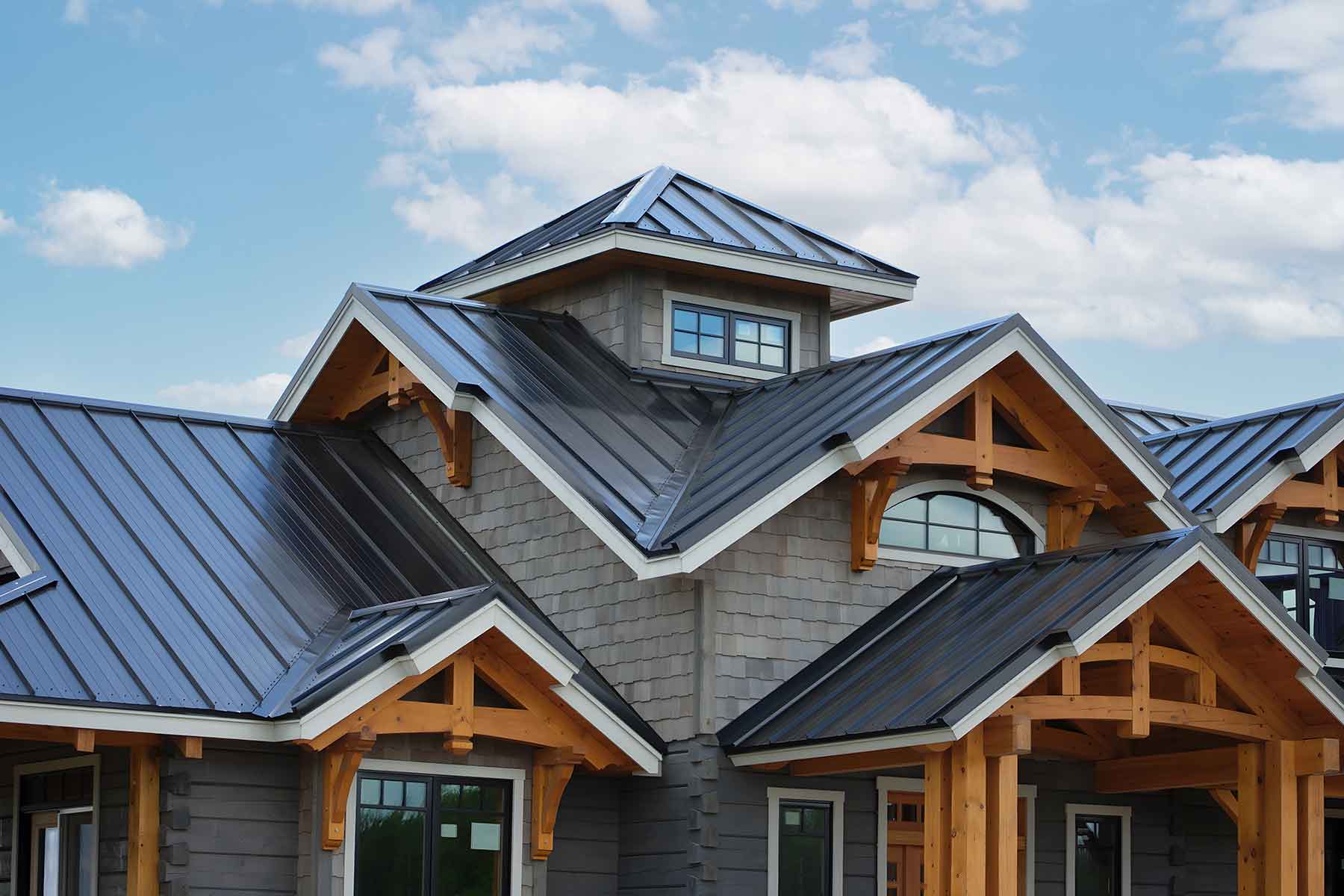
Metal roofs come in a wide variety of colors and styles, including standing seam, corrugated, and shingles that mimic the look of traditional materials. This gives homeowners the flexibility to choose a roofing material that complements their home’s design while benefiting from the performance of metal.
Bonus Feature: Customize the look of your roof with colors that match your home’s aesthetic.
Related: Advantages of Steel Roofing
Cons of Metal Roofs
1. Higher Initial Cost
The upfront cost of installing a metal roof is higher than traditional roofing materials like asphalt shingles. However, the investment often pays off in the long run due to its longevity and low maintenance costs. While this may deter some homeowners on a tight budget, it’s worth considering the long-term savings.
Fact: Although more expensive, metal roofs can add value to your home, especially in areas with extreme weather.
2. Noise During Rain or Hail
One common complaint about metal roofs is the noise factor. Heavy rain or hailstorms can make a metal roof louder than other roofing materials. However, proper insulation and underlayment can help mitigate this noise, making it less of an issue.
Pro Tip: Installing additional insulation can reduce noise significantly.
3. Denting
While metal roofs are highly durable, they can be susceptible to dents, especially from hail or falling debris. Certain metals, like aluminum, are more prone to this than others. Choosing the right material and gauge can reduce the likelihood of damage.
Prevention: Opt for stronger metals like steel if you live in areas prone to hailstorms.
4. Complex Installation
Installing a metal roof requires specialized skills and experience. Unlike asphalt shingles that can be installed by most roofing contractors, metal roofs often require a professional with specific expertise. This could mean higher labor costs for installation compared to more conventional roofing options.
5. Expansion and Contraction
Metal roofs naturally expand and contract due to temperature changes. Over time, this can cause the fasteners to loosen or the panels to shift, leading to potential leaks or other issues. However, proper installation and expansion gaps can minimize this issue.
Tip: Ensure your roofing contractor accounts for thermal expansion during installation.
Metal Roofs Pros and Cons: Which One Should You Choose?
Should You Install a Metal Roof for Your Home?
Considering the pros and cons of a metal roof, a metal roof can be a great choice for homeowners looking for a long-lasting, durable, and energy-efficient solution. However, it’s essential to weigh the upfront cost and potential noise concerns. For areas with extreme weather conditions—whether it’s hot, snowy, or coastal—metal roofs are often the best choice due to their unmatched resilience.
Ideal Locations for Metal Roofs
- Hot Climates: Metal roofs reflect heat, making them perfect for homes in hot regions.
- Snowy Areas: Snow slides off metal roofs, reducing the risk of ice damming and damage.
- Coastal Areas: Rust-resistant coatings make metal roofs suitable for coastal homes.
- Commercial Buildings: Due to their longevity and low maintenance, metal roofs are ideal for warehouses, factories, and shopping malls.
FAQs
1. How long do metal roofs last?
Metal roofs can last anywhere from 40 to 70 years, depending on the material and installation. This makes them a long-term investment for homeowners.
2. Are metal roofs energy-efficient?
Yes, metal roofs are highly energy-efficient. Their reflective properties can help lower cooling costs by up to 25% in hot climates.
3. Can metal roofs be noisy during rain?
While metal roofs can be louder than other materials during heavy rain or hail, the noise can be minimized with proper insulation and underlayment.
4. Are metal roofs prone to damage from hail?
Metal roofs can be damaged by large hail, but the risk can be reduced by choosing stronger metals like steel or copper.
5. Do metal roofs need a lot of maintenance?
No, metal roofs are low maintenance. They are resistant to cracking, shrinking, or eroding, and typically only require periodic inspections.
Conclusion
In summary, the pros and cons of metal roofs show that they offer exceptional durability, energy efficiency, and long-term value, especially in areas with extreme weather. While the initial cost may be higher, the long-term savings and low maintenance make them a worthwhile investment. For homeowners, commercial property owners, and builders, metal roofing provides a sustainable, modern, and reliable option.