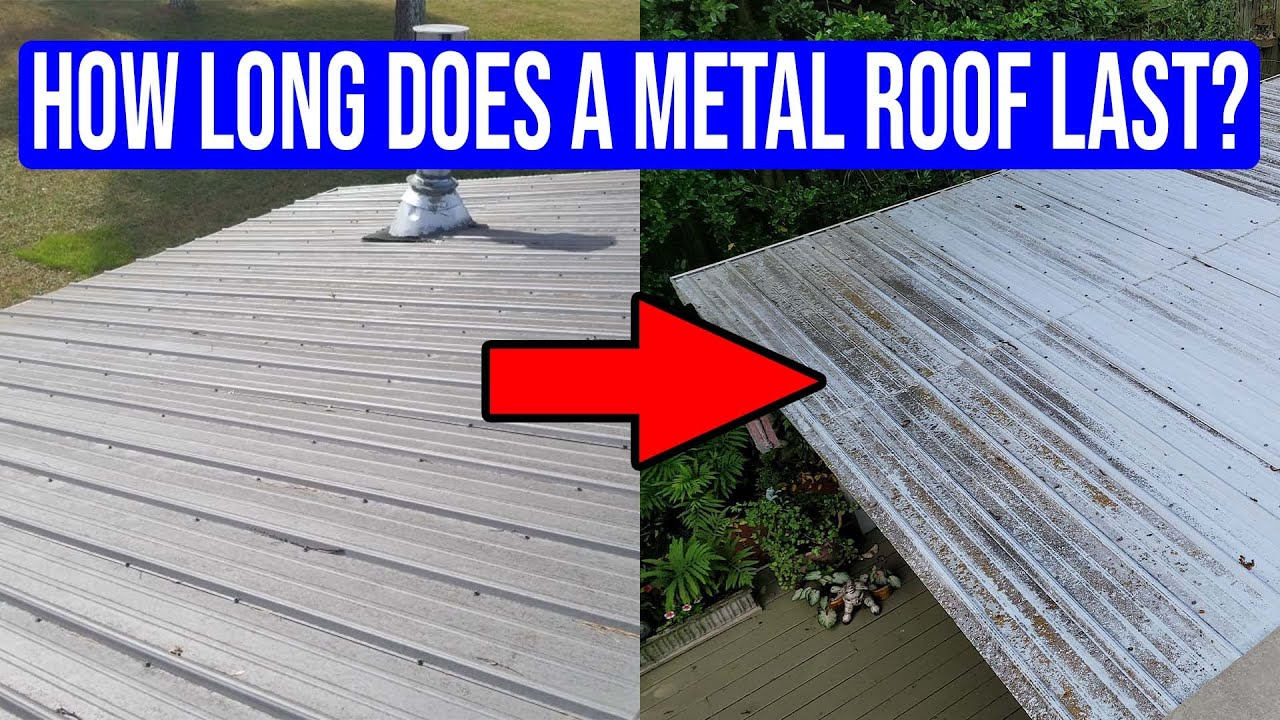
When considering a new roof for your home or business, one of the most important factors to weigh is how long do metal roofs last. Metal roofing is increasingly popular for its durability, efficiency, and aesthetic appeal. But how long will it truly stand the test of time? In this article, we’ll explore the lifespan of a metal roof, factors that affect its longevity, and compare it to other roofing materials like asphalt shingles.
If you’re a homeowner, commercial property owner, or contractor, understanding the steel roof lifespan can help you make an informed decision. Let’s dive into the details!
What Is the Average Lifespan of a Metal Roof?
One of the most attractive aspects of a metal roof is its exceptional longevity. A metal roof can last anywhere from 40 to 70 years, depending on various factors. Compared to traditional roofing materials like asphalt shingles (which typically last 15-20 years), metal roofs offer a substantial increase in durability and value.
Types of Metal Roofs and Their Lifespan
Different types of metal roofing materials affect the overall roof lifespan. Here’s a quick look at common types of metal roofs and their average lifespan:
- Steel Roofs: 40–70 years
- Aluminum Roofs: 50–70 years
- Copper Roofs: 70+ years
- Zinc Roofs: 60–100 years
Each material comes with its unique benefits, and choosing the right one can greatly affect the long-term performance of your roof.
Factors That Affect How Long a Metal Roof Will Last
The lifespan of a metal roof is influenced by a range of factors. Let’s break them down:
1. Material Quality
Not all metal roofs are created equal. For instance, steel roofs typically last about 40-70 years, while aluminum roofs may last longer. The quality of the metal used, its thickness, and the protective coatings applied can all influence durability.
2. Climate and Weather Conditions
The environment in which you live plays a huge role in how long your metal roof lasts. If you live in an area with extreme weather such as heavy snow, hail, or intense sunlight the lifespan of your roof may be shorter unless it’s built to withstand those conditions. Coastal areas with high salt content in the air can also cause corrosion over time, shortening the roof’s lifespan.
3. Maintenance and Care
Like any roofing material, a metal roof requires proper maintenance to achieve its maximum lifespan. Regular inspections, cleaning, and repairs can help prevent rust and damage. Without maintenance, even the most durable metal roofs will degrade more quickly.
4. Installation Quality
The skill of the contractor installing your roof is essential. If the metal roof is improperly installed, it can develop issues like leaks or lifting, leading to a reduced lifespan. Always ensure you’re working with experienced roofing professionals.
How Long Does a Steel Roof Last?
Steel roofs are one of the most common types of metal roofing. They offer great value, durability, and aesthetics. On average, how long does a steel roof last? Steel roofs typically last between 40 and 70 years, depending on the quality of the material and how well the roof is maintained.
Advantages of Steel Roofs:
- Durability: Resistant to extreme weather, fire, and pests.
- Energy Efficiency: Reflects heat, reducing cooling costs in hot climates.
- Sustainability: Steel is 100% recyclable and often made from recycled materials.
Maintenance Tips for Steel Roofs:
- Clean debris from the roof to prevent buildup.
- Check for signs of rust and treat it promptly.
- Ensure that the gutters and downspouts are clear to avoid water damage.
Metal Roof vs Asphalt Shingles: Which Lasts Longer?
When comparing a metal roof to other traditional materials like asphalt shingles, the difference in lifespan is substantial. Here’s a quick comparison:
| Feature | Metal Roof | Asphalt Shingles |
| Average Lifespan | 40-70 years | 15-20 years |
| Energy Efficiency | High | Low |
| Maintenance | Low | High |
| Cost | High upfront | Low upfront |
| Durability | Excellent | Moderate |
While the upfront cost of a metal roof is higher, the long-term savings and roof lifespan make it a more economical choice over time. Additionally, metal roofs require significantly less maintenance than asphalt shingles.
How Long Will a Metal Roof Last in Different Climates?
The longevity of a metal roof can vary depending on your climate. Here’s how different conditions can impact the roof’s lifespan:
1. Hot, Dry Climates
In areas with hot, dry climates, metal roofs can last a long time, often exceeding 50 years. The reflective properties of metal roofs help keep homes cooler, which can reduce energy bills.
2. Cold, Snowy Climates
In snowy areas, metal roofs excel due to their ability to shed snow quickly, preventing the buildup of weight that could damage the roof. Proper installation is key to preventing ice dams that can cause water to back up under the shingles.
3. Coastal Climates
Saltwater exposure can lead to faster corrosion of metal roofs, especially if they aren’t coated with protective finishes. Aluminum roofs are often a better choice in coastal areas due to their resistance to corrosion.
Conclusion
So, how long do metal roofs last? The average lifespan of a metal roof is between 40 to 70 years, depending on various factors such as material quality, climate, and maintenance. Choosing a steel roof or another type of metal roofing offers significant long-term benefits, including reduced maintenance costs and improved energy efficiency.
If you’re considering a metal roof for your home or commercial property, it’s essential to factor in these aspects to ensure you’re making the best investment for the future.
Ready to Upgrade Your Roof?
If you’re ready to make the switch to a metal roof, or if you need expert advice on roof installation and maintenance, don’t hesitate to reach out! Visit Columbus Exterior for more details.
FAQs
1. How long do metal roofs last in a hot climate?
Metal roofs in hot climates can last 50+ years, thanks to their reflective properties that help reduce heat buildup.
2. How long does a steel roof last in snowy areas?
A steel roof can last 40-70 years in snowy regions, as it helps shed snow and prevents ice dams.
3. How long will a metal roof last with no maintenance?
Without maintenance, a metal roof’s lifespan can decrease significantly, potentially lasting only 30-40 years instead of the expected 50-70 years.
4. What is the best type of metal roof for longevity?
Copper and zinc roofs are among the most durable, with lifespans of 70+ years, but they are more expensive.
5. Is a metal roof a good investment?
Yes, despite the higher upfront cost, metal roofs are a great investment for long-term savings on maintenance and energy costs, plus their extended lifespan.